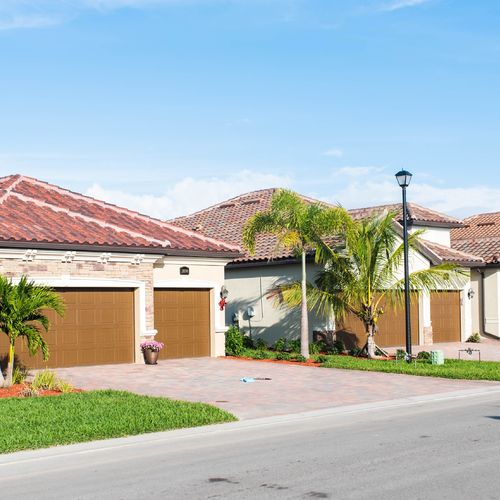



Moving to Fort Lauderdale, Florida can be exciting, especially if you are drawn to the beaches, waterfront homes, warm weather, and South Florida lifestyle. But choosing the right property requires more than finding a home you like online.
Before moving to Fort Lauderdale, you need to investigate factors that can have a major impact on your finances and daily life. Flood exposure, insurance costs, property taxes, condo finances, traffic, school assignments, and HOA restrictions can all change the real cost and convenience of a property.
A home that looks perfect during a winter vacation or appears affordable based on a listing may come with expensive surprises after you move in. Use this guide as a checklist before making a relocation decision.
Pick the Right Municipality
One of the first things to determine when moving to Fort Lauderdale is whether you are actually moving to Fort Lauderdale or to a nearby municipality.
Lauderdale-by-the-Sea, Wilton Manors, Oakland Park, Hollywood, and Pompano Beach are all separate municipalities. They may be close to Fort Lauderdale geographically, but they can have different taxes, services, schools, and other local rules.
When searching for properties, make sure you understand exactly which municipality the property is located in. Don't assume that a listing described as being in the Fort Lauderdale area is actually within Fort Lauderdale city limits.
Test Summer and Commute Conditions
Have you experienced Fort Lauderdale during the summer? If not, consider visiting during the hot and rainy season before buying a home.
Your experience during a winter vacation may be very different from your experience during South Florida's summer months. Test the morning and evening rush hours, heavy rain, weekend beach traffic, and traffic associated with major downtown or boating events.
You should also drive the routes you would regularly use to get to work, school, the airport, and other important destinations.
A neighborhood that looks close on a map can take much longer to reach because of bridges, traffic, and other road conditions.
Check Flood Risk Before Buying
Flood exposure is another major part of your due diligence when moving to Fort Lauderdale.
Check the official flood map for the specific property and obtain an elevation certificate when possible. Ask about previous water intrusion, drainage problems, and previous insurance claims.
You should also examine the elevation of the street, driveway, garage, and mechanical equipment. Most importantly, obtain a flood insurance quote before your inspection or due diligence period ends.
Standard homeowners insurance generally does not cover flood damage, so understanding the property's flood risk before purchasing is essential.
Investigate Insurance and Inspections
Florida property insurance costs can significantly affect your monthly housing expenses. Before making an offer, investigate whether the property can be insured and how much that insurance is likely to cost.
Important items to review include:
- Roof age and type
- Impact windows or hurricane shutters
- Electrical panels and wiring
- Plumbing materials
- HVAC age
- Wind mitigation reports
- Four-point inspection requirements
A four-point inspection commonly evaluates the roof, electrical, plumbing, and HVAC systems.
An older home may have plenty of character and appeal, but it can also be more expensive or difficult to insure. Getting insurance information before you become emotionally committed to a property can help prevent an unpleasant surprise later.

Look for Condo Financial Red Flags
If you are considering an older condominium, don't focus only on the purchase price and monthly HOA fee.
Review the association's current budget and reserve schedule. You should also investigate the structural integrity reserve study, or SIRS, milestone inspection, recent association meeting minutes, pending litigation, insurance information, and history of special assessments.
Florida has inspection and reserve requirements that apply to qualifying condominium buildings, including milestone inspections beginning at certain building ages and recurring structural reserve studies.
A low listing price or seemingly reasonable HOA fee does not necessarily mean the property is inexpensive. Inadequate reserves or an upcoming special assessment can dramatically increase your actual housing costs.
Recalculate Your Property Taxes
Another common mistake when moving to Fort Lauderdale is assuming that the seller's current property tax bill will become your property tax bill.
Your property taxes can change after you purchase the home, so you should recalculate the expected amount using the Broward County Property Appraiser's new-home-buyer estimator.
The county's general estimator uses an average municipal millage of approximately 2% before property-specific exemptions and adjustments, while the exact amount depends on the property and applicable charges.
Don't build your relocation budget around the seller's existing tax bill without checking what your own estimated taxes could be.
Consider Traffic and Location Carefully
Location isn't simply about how close you are to the beach or downtown.
When moving to Fort Lauderdale, think about the routes you will use repeatedly every week. Consider access to I-95, US-1 traffic, drawbridges, east-west travel, airport traffic, beach congestion, railroad crossings, and parking.
Your ideal neighborhood also depends on your lifestyle. Someone working from home may have very different priorities from someone commuting every day to Miami, Boca Raton, or Western Broward.
Choose your location based on your regular travel patterns rather than occasional recreational trips.
Understand the Waterfront Before Buying
Waterfront property can be one of the biggest attractions of South Florida, but the word "waterfront" doesn't tell you everything you need to know.
If you're buying a home because you want to keep a boat there, investigate the property's actual boating access. Check whether there are fixed bridges, bridge clearances, canal depth, distance to the inlet, and the maximum practical vessel size.
You should also inspect the dock and lift, seawall condition, wake exposure, and available turning space.
A waterfront property that cannot accommodate your intended boat can leave you paying the premium for waterfront living without getting the benefit you wanted.
Verify School Assignments
For families moving to Fort Lauderdale, school assignment should be verified before choosing a neighborhood.
The school associated with a property listing or neighborhood may not necessarily be the school your children will attend. Check the current assignment for the specific address using the official Broward County Public Schools locator.
Don't rely only on an old listing, real estate portal, or assumptions about a neighborhood's school zone. Verify the assignment before committing to the property.
Check HOA and Condo Rules
HOA and condominium rules can affect how you use your home, so review them before buying.
Depending on the property, you may need approval for renovations, pets, vehicles, rentals, or other changes. Look into:
- Pet restrictions
- Vehicle restrictions
- Rental restrictions
- Minimum lease periods
- Dockage rules
- Renovation requirements
- Short-term rental rules
- Guest parking
- Commercial vehicle restrictions
- Approval timelines
Approval requirements can also affect your closing or move-in plans, so these rules should be part of your due diligence.

Should You Rent Before Buying?
If you have never experienced South Florida beyond a vacation, renting for your first year may be worth considering.
Renting can make sense if you:
- Haven't experienced a full South Florida summer
- Are unsure where you will work
- Are deciding between downtown, beach, or suburban living
- Don't understand the local boating geography yet
- Are coming from a very different housing market
A temporary rental gives you time to experience different neighborhoods and understand your commute and lifestyle preferences.
It may also be cheaper than buying the wrong property and then having to sell it soon after moving.
Moving to Fort Lauderdale: Your Final Checklist
Before signing a contract, make sure you understand the full picture of the property, not just its asking price.
Your checklist should include:
- Flood exposure
- Homeowners and flood insurance costs
- Recalculated property tax estimate
- Condo or HOA financial condition
- Actual commute times
- School assignment, if relevant
- HOA and property restrictions
- Total monthly carrying costs
- Waterfront and boating suitability, if applicable
Moving to Fort Lauderdale can be a great relocation, but the right property depends on much more than how attractive it looks in a listing.
Take the time to investigate the costs, risks, rules, and practical realities before you buy. A little extra due diligence upfront can help you avoid an expensive mistake later.
About:
Adam combines an entrepreneurial mindset with a lifetime of real estate experience to guide clients through South Florida’s dynamic property market. With a natural eye for design, tech savvy, and extensive project management skills from years on construction sites, Adam brings a holistic approach to every transaction. His ability to blend strategic market insights with creative problem-solving sets him apart as a true visionary in real estate, ensuring each client’s goals are not only met but exceeded.
Check out this article next